

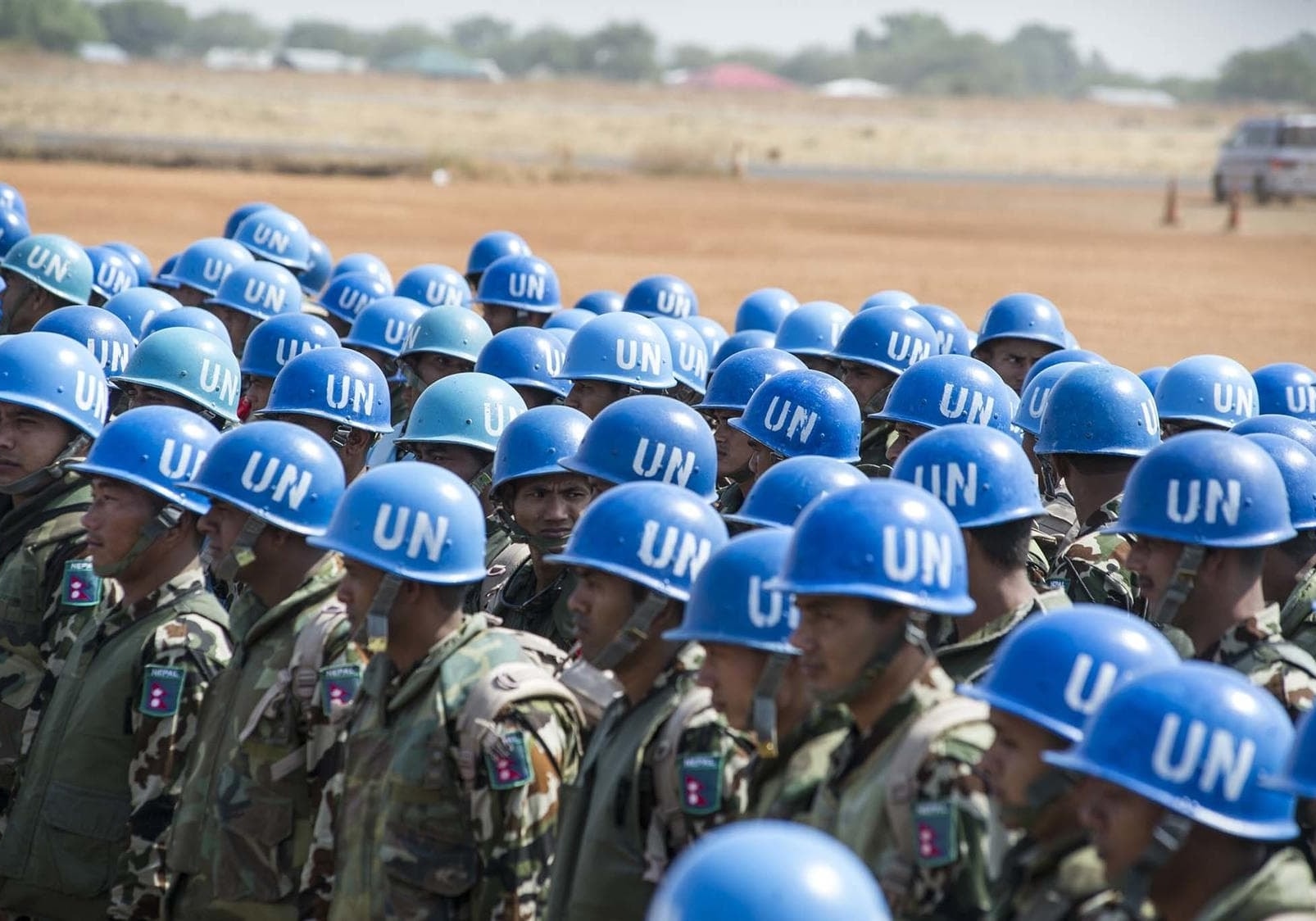
Discover the Pressing Issues and Complexities Surrounding Global Peacekeeping
The world of international diplomacy is once again facing a significant challenge, as the United Nations grapples with a critical issue – the stability of its peacekeeping efforts. In an era of escalating conflicts and shifting global dynamics, the vital role of the UN in maintaining peace is under threat. Join us as we delve into the heart of this matter, exploring the intricacies that underscore the urgency of addressing peacekeeping challenges on a global scale.
The Looming Crisis: Financing and Contributions
Recent developments have cast a shadow over the UN's peacekeeping initiatives. The financial strain resulting from non-payment of dues by numerous member states is raising serious concerns. Secretary-General Antonio Guterres recently sounded the alarm, revealing that the United Nations is currently grappling with its 'worst cash crisis' in almost a decade. Shockingly, 64 out of 193 member states have defaulted on their annual dues, causing a cascading effect on the UN's ability to function effectively.
Of paramount significance is the contribution of the United States, the largest contributor to the UN. The US is withholding its financial support, owing a staggering $674 million for the 2019 regular budget and an additional $381 million for prior budgets. With the US funding 22 percent of the General Assembly budget and 28 percent for peacekeeping, the implications are far-reaching. Additionally, several other countries, including Israel, Brazil, Iran, Mexico, South Korea, Saudi Arabia, and Uruguay, find themselves in arrears.
Immediate Impact and Looming Dangers
The ramifications of this financial crisis are dire. If defaulting members do not rectify their dues, the UN will be unable to pay salaries for approximately 37,000 Secretariat personnel by next month. The repercussions extend beyond mere financial constraints, potentially leading to the postponement or cancellation of crucial conferences and meetings. However, the true gravity of the situation lies in the UN's ability to uphold peacekeeping operations effectively.
Countries like the Philippines, which contribute peacekeeping troops to regions in turmoil, are grappling with the repercussions of this crisis. The UN's inability to reimburse expenses incurred by contributing nations threatens the sustainability of these vital operations.
Historical Parallels: US and UN Budgetary Disputes
The current turmoil is not the first time the UN has faced budget-related turmoil, particularly involving the United States. Historically, disputes over funding have marred the UN's budgeting process, often linked to the financial contributions of the US. In the 1980s, the Clinton administration imposed a cap on the US share of the UN peacekeeping budget at 25 percent. This decision led to the accumulation of arrears totaling hundreds of millions of dollars. Although subsequent administrations raised this cap, tensions persisted.
Even in 2006, the US demanded a vote on the approval of the UN budget – an unprecedented move that underscored the ongoing discord. Former President Donald Trump further escalated tensions, asserting that the US would not pay more than 25 percent of the UN peacekeeping budget. This position harkened back to the Clinton-era formula and reignited discussions about fairness in funding.
Deeper Implications: Questions of Mandate and Sovereignty
Beneath the surface of financial disputes, deeper questions concerning the UN's mandate and the execution of that mandate emerge. Leaders like President Trump have not only scrutinized the financial aspect but have also questioned the efficacy of the UN's role on the global stage. Withdrawals from treaties such as the UN Arms Treaty and the UN Human Rights Council, driven by concerns over resolutions related to Israel, exemplify this complex landscape.
Similarly, the Philippines' withdrawal from the UN International Criminal Court, triggered by the threat of investigations into alleged human rights violations, points to a growing trend. The dynamics are evolving, and as disputes intensify, the UN's reputation and effectiveness are called into question.
The Origins and Hope of the United Nations
Reflecting on the origins of the UN, we recall a world scarred by the devastation of World War II, with an estimated 85 million lives lost. In 1942, the victorious countries, led by the Big Four (United States, the United Kingdom, the Soviet Union, and China), established the UN. Their primary objective was to prevent the recurrence of global conflicts and bring stability to an uncertain world.
The inception of the UN echoed the events of 1919, when the League of Nations (LoN) was established in a bid to prevent the resurgence of conflict after World War I. However, the LoN's inability to prevent subsequent conflicts and invasions underscored its limitations, leading to its eventual dissolution.
A Glimmer of Hope Amidst Uncertainty
In a world where the consequences of another war are unimaginable, the imperative of peacekeeping remains. While the UN's path may be fraught with challenges and imperfections, its efforts hold the promise of a safer and more harmonious global future. The moral imperative of peace may not always sway sovereign entities, yet individuals with the capacity to effect change can intervene when governments falter.
As the urgency of the situation mounts, individuals must take action to support the UN's critical mission. The narrative of financial strife should not eclipse the broader objective – ensuring a world where diplomacy prevails over conflict, and the shared hope for peace is the driving force.
The Future of Peacekeeping: A Collective Endeavor
In conclusion, the United Nations stands at a crossroads, grappling with financial turmoil while striving to maintain its vital peacekeeping efforts. The challenges are significant, but they also present an opportunity for collective action and meaningful change. As global citizens, it is our responsibility to support the UN's noble mission and advocate for effective solutions that pave the way for a more peaceful and secure world. By rallying behind the UN, we can contribute to a future where the forces of diplomacy triumph over discord, and peace is upheld for generations to come.
-----
This article is a rewrite of Peacekeeping Is On The Ropes, Again, which was first published on October 16, 2019.


No comments:
Post a Comment