

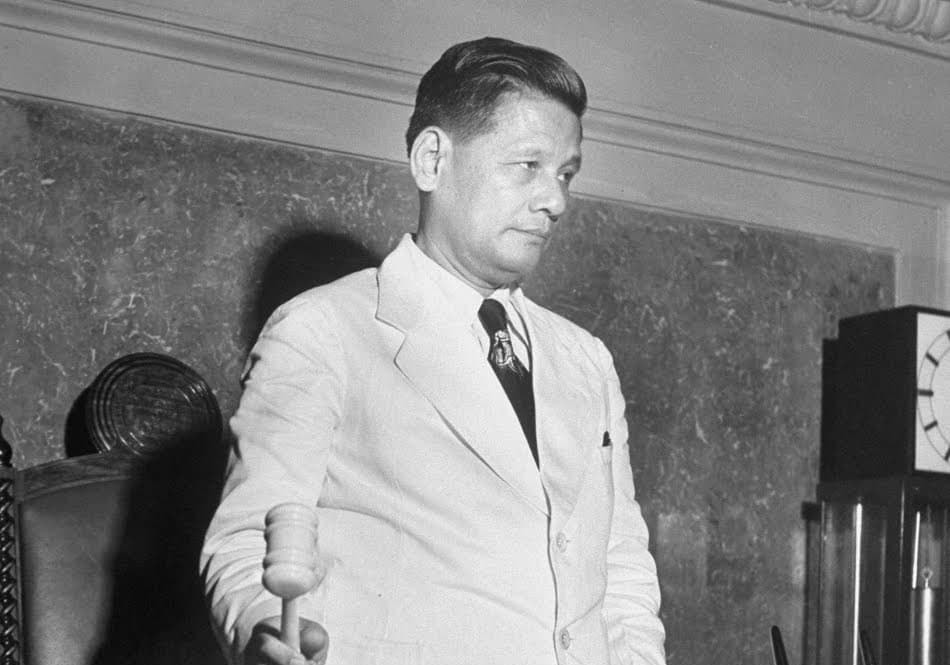
Exploring the Multifaceted Persona of Jose Avelino and His Enduring Impact
The name of Jose Avelino is not one that elicits admiration, but rather a mixed bag of sentiments. His memorable quote, "What are we in power for?" has etched him into history, leaving behind a legacy that is both intriguing and divisive. Avelino's role in Philippine politics is a tale of complexity, characterized by a mixture of ambition, influence, and the enduring pursuit of power.
Unveiling the Infamous Quote: A Closer Look
Jose Avelino's name is inextricably linked to the quote, "What are we in power for?" This seemingly innocent question, when viewed within its context, reveals a deeper layer of intent. While the words themselves could be interpreted positively, their utterance marked Avelino with a sense of opportunism and disregard for the ideals associated with public service.
The year was 1949, a time when the Philippines was grappling with the aftermath of World War II and internal strife. As President Manuel Roxas' successor, Elpidio Quirino faced a nation in turmoil. The economy was in shambles, and the Hukbalahap insurgency threatened to plunge northern Luzon into chaos.
Within the government, corruption scandals cast a shadow, eroding public trust. Complaints emerged that non-party members were being appointed to crucial positions, adding fuel to tensions among Quirino's allies. Avelino, who held key roles in both the Senate and the Liberal Party, found himself entangled in the complex web of politics.
The Collision of Political Ambitions
The backdrop of the 1949 presidential elections heightened the tension between Quirino and Avelino. As the two leaders vied for the party's nomination, their supporters clashed, setting the stage for a showdown. The internal strife mirrored the external challenges, highlighting the delicate balance the Philippines was navigating.
A pivotal moment arrived in January of that year when Quirino convened a meeting with party leaders at Malacanang. The outcome of this meeting would resonate through history, shedding light on Avelino's character. It was during this gathering that Avelino supposedly uttered the now-infamous quote.
The Aftermath and the Unraveling Truth
The consequences were swift. The Manila Chronicle reported the verbal confrontation, quoting Avelino extensively. His words, questioning the necessity of investigating abuses in power, struck a chord. The public, already grappling with the aftermath of war, witnessed a candid admission that left an indelible mark on their perception of politicians.
In February of the same year, Quirino successfully ousted Avelino from his position in the Senate. Despite this setback, Avelino pushed forward, running for President against Quirino and Jose Laurel of the Nacionalista Party. Ultimately, Avelino's bid fell short, and his fall from power was as dramatic as his rise.
Avelino's Legacy: Complex Dimensions
The rise of Jose Avelino was remarkable for a probinsyano (a person from the provinces). His academic brilliance and eloquence propelled him forward. His friendship with Claro M. Recto, a fellow academic standout, shaped his journey. Both graduated summa cum laude from the Ateneo and pursued law degrees at the University of Santo Tomas.
Before entering politics, Avelino organized labor unions in Samar, showcasing his commitment to social justice. His legislative contributions were impactful, including key legislations like the Philippine Workmen's Compensation Law. Advocating for education, he played a role in establishing public high schools across provinces and contributed to the creation of the Social Security System.
Unveiling the Truth: A Victim of Misrepresentation
Recent accounts have surfaced, shedding new light on the infamous quote. In contrast to the sensationalized version, Avelino's actual words were rooted in a profound commitment to public service. Faustino Tobia, a witness to the Malacanang caucus, revealed Avelino's true sentiment.
Tobia quoted Avelino as saying “Señor Presidente, ¿no es la verdad que sin hacerlos vigorosamente es traicionar y negar esencialmente nuestros deberes como sirvientes públicos? ¿Para que esta el nuestro mandato del pueblo?” (“Mr. President, is it not the truth that not addressing vigorously these problems [i.e., of losing the Liberal Party’s insight into the postwar reconstruction, the country’s peasant plight that is fueling the Huk’s insurgency, and the moral discipline of those who use their position or influence in government to advance their selfish ends, like appointing less qualified men from the opposition party] is to betray and negate fundamentally our duties as public servants? What for is our mandate from the people?”)
From a non-partisan perspective, these words reveal a dedication to fulfilling one's role in serving the nation.
Honoring A Complex Legacy
In recognition of Jose Avelino's multifaceted impact, the Office of the President has declared August 5 as Jose Avelino Day in all three Samar provinces. His legacy invites contemplation, challenging us to look beyond the surface and explore the intricate layers that define his persona.
In conclusion, Jose Avelino's name evokes a myriad of emotions and perceptions. His journey through the intricate landscape of politics highlights the complexity of human nature and the intricate interplay of ambition, service, and the pursuit of power. As we honor his memory, may we remember that history, like people, is multi-dimensional, and the truth often lies beneath the surface.
-------
"Senator Jose Dira Avelino" was first published on August 10, 2019.


No comments:
Post a Comment